
The smarter way
to home comfort.
We started ZeroGrid with a single mission: to replace noisy, inefficient fossil-fuel HVAC with precision-engineered heat pumps, balanced ventilation, and clean indoor air. Serving in Massachusetts.
Home HVAC was built on finger-pointing and oversized units. We engineered a better way.
For years, homeowners seeking reliable home comfort had to navigate an outdated, frustrating industry: technicians who pushed oversized, inefficient fossil-fuel furnaces, neglected leaky ductwork, and ignored indoor air quality completely.
When rooms remained freezing in winter or sweltering in summer, contractors blamed the house rather than poor sizing. No one took responsibility for whole-home comfort.
ZeroGrid was born to revolutionize residential and commercial climate control. By uniting cold-climate heat pump engineering, indoor air filtration, and smart multi-zone automation under one unified standard, we give property owners comfort options and project-specific energy estimates, and single-contractor accountability.
Fragmented Legacy HVAC vs The ZeroGrid Coordinated System
Oversized single-stage furnaces, noisy on/off short cycling, leaky unsealed ducts, no air quality testing, and zero help claiming electrification rebates.
ACCA Manual J thermal blueprints, variable-speed inverter heat pumps, MERV-13 whole-home filtration, and balanced airflow.
Three essential disciplines.
One coordinated climate system.
Explore how each pillar of the ZeroGrid HVAC ecosystem reinforces the others to deliver total home comfort, lower bills, and pristine indoor air.
Inverter Heat Pumps & AC
Variable-speed heat pumps provide heating and cooling. Low-temperature operation and capacity depend on the model, home heat loss, and outdoor conditions; backup heat may be required.
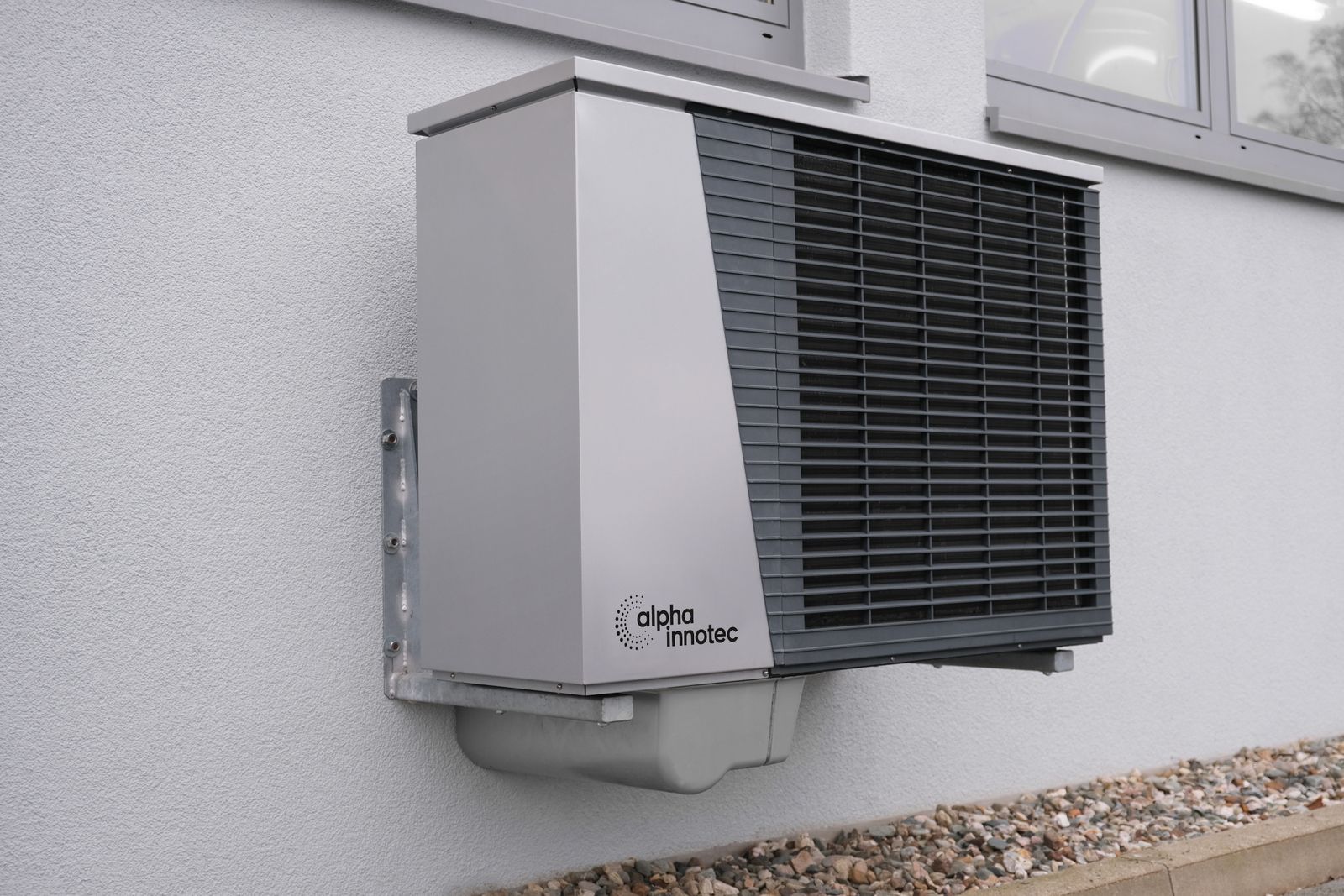
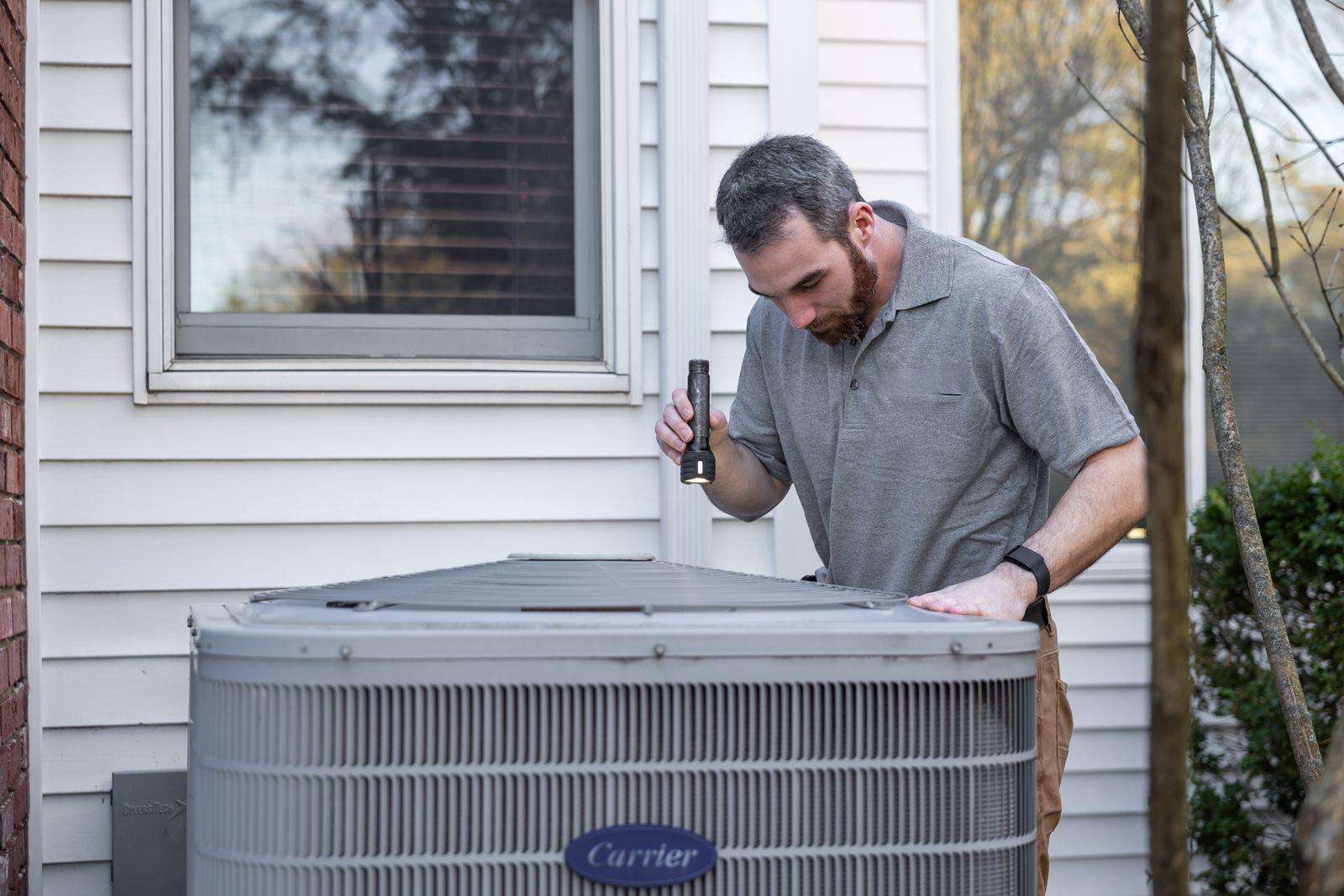
Stock imagery · Not a ZeroGrid project or employee.

Built on engineering truth.
Not sales hype.
Every decision we make is guided by building science, customer stewardship, and radical transparency.
Engineering Rigor Over Sales Pressure
We don't employ aggressive commissioned salesmen. Every ZeroGrid climate blueprint is planned around the property’s needs using ACCA Manual J thermal load calculations and airflow telemetry.
Radical Upfront Transparency
Your written agreement defines the scope, price, exclusions, and any process for approving project changes.
Unified Single-Contractor Warranty
Because we engineer the heat pump, air distribution, and ductwork systems together, there is zero finger-pointing between trades. Applicable manufacturer and installation warranty terms are confirmed in the written agreement.
Maintenance & Support
When installation is complete, our commitment is just beginning. Discuss available maintenance and support services, including any equipment monitoring options and their terms.
Planning around your property and equipment
System design considers heating and cooling loads, airflow, equipment requirements, and applicable local codes. Credentials and project-specific documentation should be confirmed before contracting.
Ready to upgrade your home with ZeroGrid?
Discuss your property with our team. Equipment, projected energy use, applicable utility incentives, and project terms are reviewed for your specific situation.